Walk into a peaceful barn on a weekday morning and you will certainly feel it before you see it. The air hums with hay-dust sunlight. A mare flips an ear toward the door, takes you in, after that goes back to her hay with the slow-moving certainty of an animal that checks out bodies for a living. This is where many people first observe their breath again. Not since a person informed them to breathe in for a count of 4, however since a thousand-pound nerve system is standing three feet away, welcoming steadier pacing without a solitary word. That is the first stage of mind-body integration in healing horsemanship.
What therapeutic horsemanship really means
The expression is a big outdoor tents. Programs that sit under it include equine-assisted solutions that focus on wellness outcomes, equine-assisted tasks that emphasize understanding and leisure, and equine-assisted training for personal and specialist growth. Some facilities focus on equine-facilitated wellness, which mixes lifestyle and stress-management skills with horsemanship. Others run an autism equine discovering program with details communication goals or ADHD equine learning assistance that targets attention, timing, and impulse control. There are also offerings for stress and anxiety support with horses, and alternative therapy for sensory obstacles that might include both installed and unmounted experiences.
Not every program is psychiatric therapy. Some are developed by educators, physical therapists, or PATH Intl. Certified teachers. Equine-facilitated mentoring deals with leadership, feedback, and visibility for people and teams, typically classified as group structure with equines. If your objectives include injury processing or scientific psychological wellness, seek a program with an accredited medical professional that integrates equine-assisted solutions into therapy. If your objectives are learning-based, try to find instructors with flexible training qualifications and a clear scope of practice.
Why steeds aid the body and the mind sync up
Horses are victim pets, wired for fine-grained social attunement. They regularly ask, Am I secure, and with whom. That inquiry runs through their bodies as long as their minds. Your posture, muscle mass tone, and micro-movements talk even more noisally to a horse than your words. The result is a mirror that tracks your nervous system in real time. When people discuss somatic recovery with equines, they are indicating this online psychophysiological feedback loop.
Three systems appear repeatedly:
- Rhythm and vestibular input. When placed, a steed's walking stride relocates a cyclist's hips in a pattern comparable to human strolling, around 90 to 110 actions per min. Physical therapists make use of that rhythm to arrange the vestibular system and assistance core stability. Even unmounted, leading a steed at a constant pace entrains breath and stride. Pressure and launch. Horses learn from the feeling of stress and the relief that adheres to. Humans do also. Apply a light ask with a lead rope, feel the steed yield, after that soften. That timing maps directly to borders, authorization, and social timing. Many clients bring the experience right into their everyday communication. Co-regulation. Individuals report calmer breathing and reduced viewed stress and anxiety after communications with a settled horse. Some small research studies suggest heart rate irregularity changes during horse-human communication, though outcomes vary. What I observe session by session is consistent: customers begin to observe inner signals, then react to them with skill rather than habit.
Mind-body combination takes hold when these pieces interact. You see your tight shoulders while cleaning a gelding's withers. You attempt a slower stroke. He reduces his head, exhales, and you feel your very own exhale strengthen. That loophole of stimulation, understanding, and choice is the point.
A typical session, without the fluff
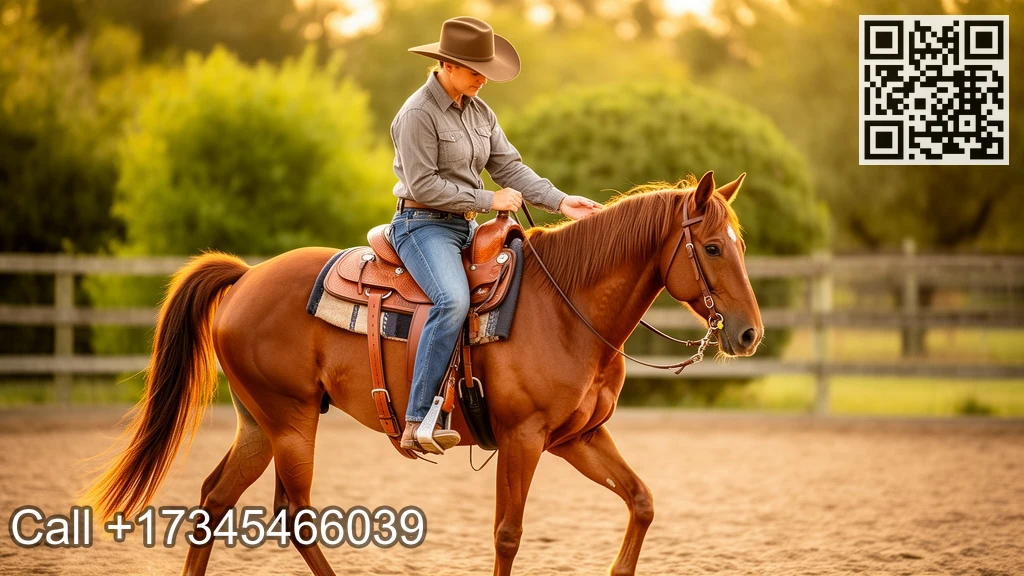
Most sessions run 45 to 60 mins. We begin with arrival and positioning, providing time for the transition from traffic and displays to straw and hoofbeats. Safety and security checks adhere to: headgears for installed work, closed-toe shoes, clinical signals noted, and a quick read of just how the horse and human are showing up that day.
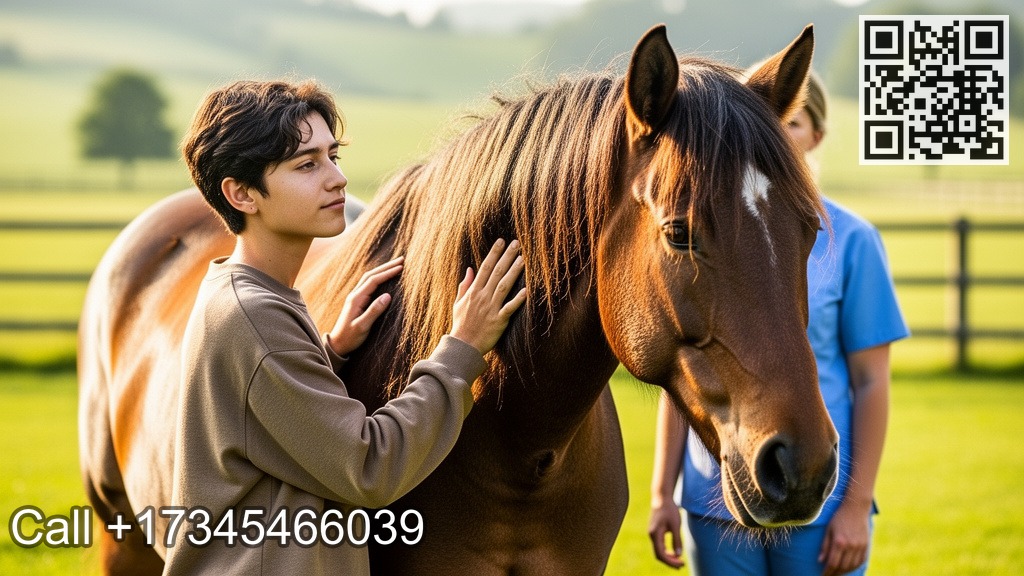
Grooming is not busywork. It is sensory input, bilateral movement, and relational comments. The brush hand circles, the free hand steadies, and the body moves in a cross-midline pattern that sustains coordination. Individuals that tend to rush frequently slow here if the horse supports. Individuals who often tend to be reluctant typically locate a clear rhythm when the equine leans into a curry comb with evident pleasure.
Groundwork is where lots of equine-assisted tasks radiate. Leading from different positions, navigating cones and poles, or practicing halt and opt for only a breath and a change of weight welcomes recognition without pressure to carry out. For some clients, placed work complies with. For others, continuing to be on the ground is the best and most effective path. I have trained executives through equine-assisted coaching sessions that never left the arena fence, and they won sharper, kinder leadership.
You can leave feeling taller, more clear, and sometimes worn out. That tiredness is typically the body incorporating brand-new patterns.
What to wear and bring for comfort and safety
- Close-toed footwear with a level single and little heel if riding Long pants that enable movement and protect against chafing Layers for altering weather condition, plus sunlight protection Water and any kind of individual clinical products such as inhalers or EpiPens A spirit of curiosity and a determination to stop when you or the equine demand it
Real individuals, real shifts
A teen with ADHD came for six sessions. In the very first, he pulled the lead rope as if it were a video game controller. The steed thought twice, turned his head, and stopped. We exercised waiting till the line subsided, then requesting one action. By session three, the teenager can stroll serpentine patterns with light call, and his mother noticed less blowups during research. The difference was not magic. It was experiment timing and frustration tolerance, rewarded by a thousand extra pounds of immediate, truthful feedback.
An adult client with stress and anxiety began in an equine-facilitated wellness program after anxiety attack at the workplace. Mounted work triggered wooziness, so we stayed on the ground. She discovered to count three breaths prior to each ask, to soften her knees when the steed pushed right into her space, and to end with 3 minutes of silent at the fencing. After two months of regular sessions, she reported capturing early indicators of spiraling at her workdesk and making use of the exact same breath-and-soften regimen, reducing the regularity of attacks.
A nine-year-old on the autism range went into an autism equine discovering program concentrated on sensory modulation and interaction. He did not like noise and unexpected touch. We established a predictable grooming sequence, used a heavy brush he selected, and presented a straightforward yes card and no card for decisions. Over twelve weeks, he proceeded from hugging the gate to grooming both sides of a patient mare and leading her over a single ground post. His educators later on included a similar yes-no system during transitions at school.
These are not treatments. They are shifts. Moving from sensitivity to action, from disconnection to felt sense, is the sort of adjustment that sticks since the body comprehends it.
The mentoring and group side: steeds as colleagues
Equine-assisted mentoring is not about horsemanship proficiency. It has to do with exactly how your purpose, existence, and timing affect influence and count on. I when worked with a manager who said, My group drags their feet unless I stand over them. In the arena, he attempted to send an equine with a slim chute by walking behind with large motions. The equine pinned his ears and drifted off. We transformed one variable: the supervisor strolled beside the horse's shoulder, eyes soft, breath slower, with a clear point precede as a shared target. The horse moved with on the initial shot. The manager later on defined making use of the exact same method with a peaceful team member by setting a shared outcome and inspecting his very own speed. Efficiency rose, and so did the employee's confidence.
Team building with steeds prevents trust fund drops and moves into genuine control. Teams discover to prepare, appoint roles, and adapt when the steed, a very sincere teammate, gives them unfiltered comments. I prefer short sequences with debriefs in between. People discover that over-communicating can crowd the steed, under-communicating leaves him presuming, and coinciding communication looks like a body and a voice claiming the very same thing.
Safety, ethics, and excellent judgment
Horses are not devices. They are sentient partners with needs and limitations. Moral equine-facilitated programs protect the physical and emotional well-being of their steeds as a standard. That consists of yield with suitable herd-mates, ample forage, saddle fit checks, progressive conditioning, and rest days. In session, horses can opt out, change jobs, or take breaks. Customers find out permission by practicing it with a pet that is not obliged to comply.
For human beings, helmets for mounted job are typical. Closed-toe footwear, clear emergency situation procedures, and https://johnnyhano160.theglensecret.com/linking-globes-autism-equine-learning-program-for-social-connection informed permission are non-negotiables. There are contraindications: current trauma, breakable bones, uncontrolled seizures, or active psychosis. Allergies, fear of pets, and weather condition level of sensitivity issue and can be suited with adjustments. Excellent programs refer out when something surpasses their extent and collaborate with therapists, doctors, and colleges when appropriate.
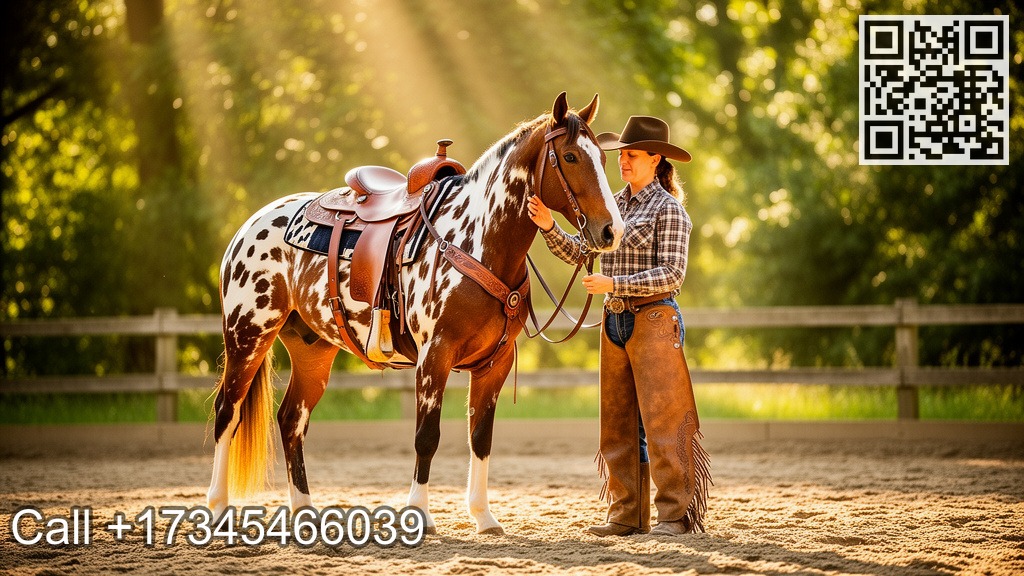
A word on weight restrictions: accountable facilities publish tack and horse-specific restrictions, usually in the 15 to 20 percent of the steed's bodyweight array when thinking about rider and tack integrated. This is not regarding judgment. It has to do with biomechanics and welfare.
How end results appear and just how we determine them
In clinical settings, you may see confirmed measures for anxiety signs and symptoms, equilibrium, or focus. In education-focused equine-assisted activities, we track skills: number of self-initiated breath resets during a job, time on job while brushing, number of effective changes in between halt and stroll without pulling the lead. For equine-assisted mentoring, results consist of clarity of demands, reduced conference times after sessions, or lowered dispute in a certain project.
Subjective shifts matter also. Parents say, He sleeps much better after sessions. Educators note, She increases her hand extra. Customers report feeling their feet on the ground. I ask for both kinds of information. Numbers secure the tale so we know if we are in fact helping.
Trade-offs, limitations, and practical hurdles
Weather can hinder sessions. Rain, warm, and icy footing are not minor hassles. Programs require interior areas or flexible schedules. Expense is genuine. Costs vary extensively by area, staffing, and facility expenses. Some facilities offer scholarships, sliding ranges, or group sessions to maintain gain access to affordable. A common pattern is regular sessions for 6 to twelve weeks, then a reassessment for objectives and budget.
Horses are not a suitable for everyone. Some individuals continue to be also fearful to benefit. Others locate their learning side somewhere else. For trauma survivors, equine-assisted solutions can be effective, yet they can likewise activate solid responses. That is where a licensed mental health specialist and mindful pacing make the difference between development and overwhelm.
Quality varies. Accreditations such as Course Intl., Eagala, and CHA signal requirements, but they do not replace experience and fit. Visit. View. Trust your gut.
Choosing a program: smart concerns to ask
- What are your personnel qualifications, and who leads my sessions How do you examine goals and track progress What horses will certainly I work with, and exactly how do you ensure their welfare What are your security procedures and contraindications How do you team up with my specialist, doctor, or institution if needed
For parents and educators: turning the field into a classroom
ADHD equine discovering assistance works when sessions target executive function via motion. Set a short training course with clear waypoints. Ask the student to forecast the course out loud, after that run it with the horse at a walk, after that examine what worked. Use the horse's choice as comments. If the equine wanders, discuss whether the ask was unclear or the setting sidetracking. Timers help. So do concrete goals like complete the figure-eight with soft hands twice.
For students with sensory challenges, begin with predictable regimens. Some react far better to the constant stress of grooming a huge muscle mass group such as the shoulder than to light, ticklish strokes. Construct a visual timetable on a clipboard that takes a trip from brushing location to sector to cool-down space. An alternate therapy for sensory difficulties does not mean unstructured time. It indicates customizing the framework to the person's nervous system and the horse's comfort.
For autism-focused programs, communication systems matter. A steed does not care whether a cue comes from speech, a gesture, or a card, as long as it is consistent and combined with clear timing. I have actually seen a nonverbal trainee lead a Shetland pony via a labyrinth with peaceful precision utilizing picture-based prompts, after that move that success right into a classroom shift chart.
Teachers appreciate simple carryover concepts. After a session that highlighted halt-walk changes with a breath sign, try the same breath cue at a desk prior to switching tasks. Collect three data factors per week to check transfer.
For adults and leaders: a health club for presence
The sector is unforgiving concerning devising and charitable concerning getting real. If you are navigating burnout, equine-facilitated wellness can offer your body a recommendation point for remainder and initiative. Ask a horse to back 3 steps with a soft chest, then stop entirely and feel your feet. Repeat. You will certainly find out where you habitually press past restrictions and where you under-ask.
For leaders, experiential discovering with horses reveals combined messages. If your words say go and your shoulders say maybe, the equine will certainly select the more clear message. Exercising congruence right here translates to meetings, arrangements, and mentoring. It is not a metaphor when your breath reduces a skittish gelding and your group later mirrors your steadier cadence when a job hiccups.
The steed's point of view: companions, not props
A well-run program centers the steed's welfare. That does not just mean good hay and tidy water. It means social time with other steeds, species-appropriate motion, vet and oral treatment, appropriately fitted tack, and job well balanced with rest. In session, it suggests enabling the steed to move away from touch that is as well extreme, to stop when overwhelmed, and to express curiosity and play. You will learn to check out pinned ears, limited lips, or a swishing tail as information, not misbehavior.
I once had a mare that always raised her head when a beginner groomed near her girth. We got used to a softer brush, shortened the strokes, and paused after 3 passes. She licked and ate, after that dropped her head. The client found out that permission is a relocating target which competent touch earns trust fund. The horse stayed audio and ready due to the fact that we listened.
Getting began and establishing expectations
Most individuals start with an intake conversation and a single analysis session. Share case history, medicines, objectives, and any type of fears. Anticipate clear borders, no-nonsense safety procedures, and a speed that matches your learning. Inquire about regularity. Weekly sessions construct energy. Biweekly can work with home method. Regular monthly has a tendency to be much more maintenance than growth.
Costs vary. In lots of regions, sessions range from the price of a private riding lesson to prices similar to psychiatric therapy, depending on team qualifications and insurance. Group sessions reduced the cost and can include social knowing, but they also raise sensory lots. Consider the trade-offs.
Progress is not linear. Some days you will certainly feel competent. Some days the wind rattles the sector roofing and everybody, human and steed, is a little bit extra alert. That variability becomes part of the training. Discovering to change your inner state without quiting your objective is an innovative skill.
Bringing the field home
The body learns by doing. After sessions, I supply simple bridges:
- Match your breath to your footprints for 2 minutes on a daily stroll, the method you matched your stride to a horse on the lead. Practice pressure and release with a door. Apply stable stress to the handle, really feel the latch give, after that soften your hand. Notice just how much initiative was actually called for. Usage that level of clearness in a hard conversation. Set a three-breath time out prior to any digital reply that carries warm. You found out to await a steed's ear to flick prior to asking once again. Offer the very same room to a colleague. Keep a little card in your pocket with one felt-cue you like from the barn, such as soft knees or long exhale. Utilize it throughout commutes and prior to meetings.
Small rituals keep the nerve system anchored to the lessons your body currently understands.
Final ideas from the facility of the ring
Therapeutic horsemanship is not an uniqueness. It is a self-displined craft constructed at the intersection of animal actions, human knowing, and compassionate visibility. Whether you are checking out equine-assisted tasks for a kid, equine-assisted training for your leadership, or equine-facilitated wellness after a harsh period, the sector offers a clear mirror. You turn up as you are. A horse turns up as he is. With each other you practice timing, boundaries, breath, and trust.
If you pick meticulously, regard the equine, and commit to the work, you will likely locate what many people have located between hoofbeats and hay: your body understands the way to solidity, and your mind can find out to follow.